Dec 9, 2025
New SBA 8(a) Requirements: What This Means for Your Business, and How to Comply
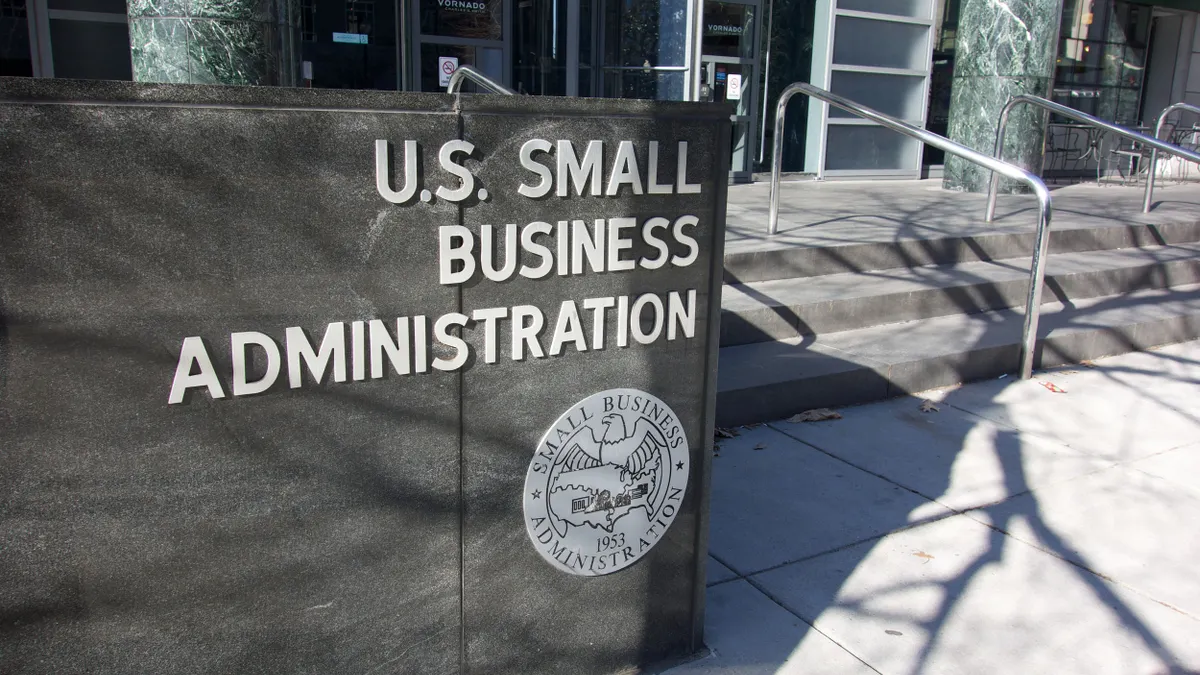
The 8(a) Business Development Program was created to offer socially and economically disadvantaged small businesses a pathway to succeed in federal contracting. This is typically done through set-asides, pathways to sole-source contracts, mentorship opportunities, and business development support.
However, on December 5th, 2025, the Small Business Administration (SBA), issued a sweeping directive declaring that all 4,300 active 8(a) firms must submit three fiscal years’ worth of financial records to remain eligible. This marks a significant compliance shift in the program’s history, and will impact participants, especially those that largely rely on the program for support and revenue.
Impact on 8(a) Businesses
For many businesses that are 8(a) certified, this new requirement will mean a change in compliance expectations. What exactly does this mean?
Financial Transparency is Now Mandatory
The SBA audit aims to root out the “fraud, waste, and abuse” in the program by demanding financial visibility over the last three years. As a result, companies hoping to remain eligible will need to produce accurate and complete documentation of their finances, payroll, employment, and contracting data.
Risk of Removal from the Program
In the notice posted on December 5th, SBA warns firms that failing to meet the deadline on January 5th, 2026 (or failure to produce complete and accurate data), may lead to removal from the program, and a loss of eligibility for set-asides and sole-source contracts. Additionally, the notice warns that a failure to comply may lead to investigative or remedial action.
Compliance Readiness is Required
Companies participating in the 8(a) program, or looking to do so, will need to be able to deliver a complete audit trail, which means there is an increasing need for controls, documentation, and transparency internally within these businesses.
Why SBA is Updating Requirements
This directive from the SBA comes amid a mountain of shifts across various agencies and what the SBA perceives as mounting evidence of fraud and abuse within the 8(a) program. Earlier this year, the agency suspended an 8(a) participant because of alleged “pass-through” fraud. Since then, the Department of Treasury announced a comprehensive audit of contracts awarded under preference-based contracting, which includes this program.
SBA is seemingly re-emphasizing the administrations’ priority to restore integrity and efficiency, as outlined by the Presidential Order EO 14275, Restoring Common Sense to Federal Procurement. This directive aims to verify that subcontracting, mentor-protégé, and other requirements have been correctly followed.
How 8(a) Businesses Need to Respond
If you are a participant in the 8(a) program, you will need to ensure all requirements are met. Your top priorities should be:
· Gathering financial records: This includes three years of bank statements, ledgers, payroll, contracting and subcontracting agreements, employment records, and other documents requested by SBA
· Conduct an internal compliance review: Before you submit documents, make sure to audit yourself to find inconsistencies or red flags, especially if you are operating as a joint venture or in a mentor-protégé structure.
· Submit complete and accurate records: Remember, the deadline for submission is January 5th, 2026 – and any missing, incomplete, or inaccurate data provided may result in removal from the program or investigative action.
· Review your messaging and priorities: As the priorities driving procurement shift going into 2026, it is vital that your messaging and methodologies reflect and align with what the government is looking for.
What’s at Stake for Your Federal Business
The 8(a) Program has been a powerful pathway for disadvantaged businesses to access contracts and build up past performance. That being said, the new audit requirement showcases the shift from opportunity-driven growth to transparency driving accountability. Firms that fail to meet the new standards risk losing access, while those that act now will be able to build credibility, and emerge as trusted contractors.